
Florsheims and Fairness

Some time back, maybe twenty years ago, I played a game of racquetball with a guy in Miami. He was someone I’d just met and the only reason I remember him at all is that he cheated. Non-stop.
When his serve went long, he claimed it was in. When he lost a point, he yelled that he’d won. He argued every shot. He kept changing the score, always in his favor. When I corrected him he wouldn’t even pretend to have made a mistake, just shrug irritably at having been caught, then do it again the next time. I went along with it for a while, partly because he’d invited me, partly because I was somehow holding my own, partly because it just didn’t make sense. There was absolutely nothing at stake here – no money, no prestige, no audience of pretty girls to impress. Even if you were that kind of asshole, why would you bother?
Eventually, when yet another of his shots went out and he insisted it was in, I had enough and left. I don’t remember what I said on my way out the door, but whatever it was, I don’t remember him arguing.
I recalled that bizarre experience the other day because I realized that my Achilles heel in this life is my expectation of fairness. I don’t know if ‘expectation’ is the right word exactly, but it’s close, because even though I don’t actually expect the world to be fair (I know full-well it’s not), I’m still outraged when it isn’t. It’s like I’m stuck in the amber of some earlier stage of development, a furious six year-old with tears in his eyes and snot on his face forever yelling, ‘But that’s not fair!’
I blame my parents for this shortcoming, as is traditional. They knew that the world wasn’t fair and never had been, yet instilled this idea – this expectation - in my head anyway. And so, because Philip Larkin was right, and man hands on misery to man, I’ve gone ahead and done the same thing to our kids. They can blame us when the time comes, if they haven’t already.
But why, some may wonder, am I using the word ‘fairness’ rather than its more mature synonym, ‘justice’? I’m not sure, but I think it’s because ‘justice,’ to me, suggests ever-evolving systems, networks, social contracts. It’s about laws and courts and cops. Fairness is more elemental. It may have an antiquated, namby-pamby, “Teacher, Billy’s not being fair!” air about it, but you know it when you see it, and you know it when you don’t. If you hold someone to a certain set of rules, then change them to suit you, it’s unfair.
Which is wrong.
By which I mean profoundly, existentially, ontologically wrong.
What I’m coming to realize ever more clearly is that a good part of the rage I feel toward the Trump administration and those who enable it comes down to the fact that deep down, informing everything they do, they’re cheaters. Below the incompetence and corruption, the feral opportunism and hypocrisy, lies a bedrock of unfairness.
Look at Trump and Hegseth, Miller and Noem, Bondi and the rest. Cheating is more than tactical with these people; it’s foundational, a kind of first principle, which means that people like me, brought up to see fair play as an unquestioned code of conduct and an indicator of self-worth, find the spectacle of their unfairness not only difficult to endure, but actively enraging.
Examples? Sweet Jesus, literally everything they say and do is an example, though I suppose if you had to start somewhere you could begin with Mitch McConnell illegally denying Obama a Supreme Court pick on the grounds that nine months out from the election was somehow not enough time, then shamelessly ramming through Trump’s pick just days before the next election, and continue from there unto the present moment which finds our President, who never stops screaming about Democratic malfeasance, selling access to national security briefings to his donors. Openly.
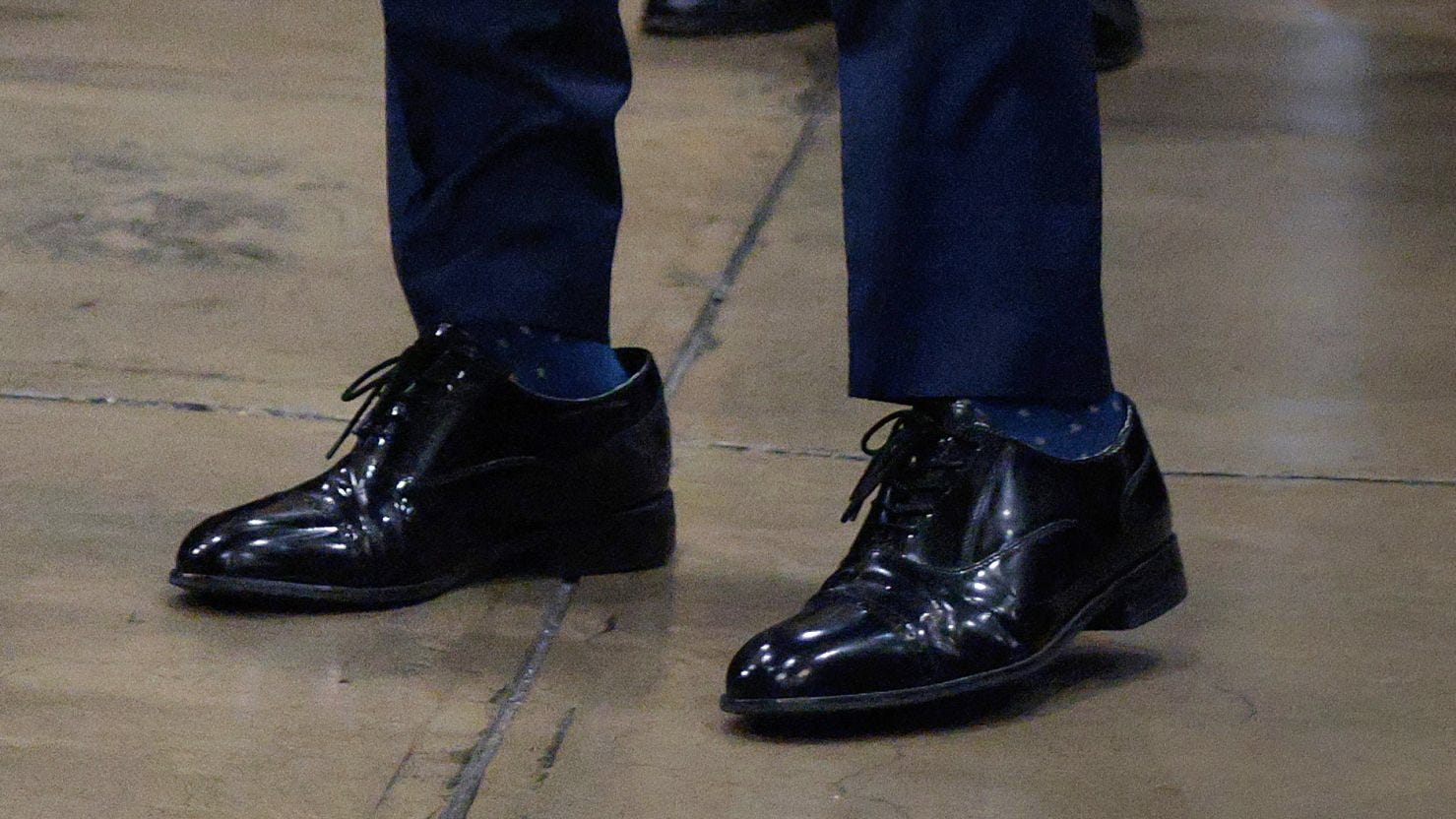
Fairness? Can you even imagine what the Republican reaction would have been had Biden interrupted a cabinet meeting during wartime to babble about Florsheim shoes? Or how they might have responded to Biden dancing to The Village People while fallen American servicemen and women were returning to our shores? What do you suppose their take would have been if Barack Obama had said that rising oil prices were a small price to pay and anyone who disagreed was a fool? Or if he’d been photographed wearing only a towel with a thirteen year-old girl on his knee? With a convicted pederast next to him?
I could go on. Their hypocrisy is bottomless, their unfairness, an ocean.
Which is a problem because it turns out that that namby-pamby word carries a kick. Fairness – the expectation of it, the understanding of it as a de facto good – holds the world together. Untie those bonds, everything unravels.
Twenty years ago, stuck in a room with someone who wouldn’t stop cheating, I walked out.
We don’t have that option – this room is the world. And the stakes could not be higher.
We’re going to have to find a way to win, regardless.
Oh Mark, you ht the nail (fairly) on the head. You explained exactly how I (and I’m sure many others) feel.
Thanks for writing!
This hits so many nails on so many heads, not fair that you were able to say it so well—-!